Wednesday, January 14, 2009

The Carton Labeled Winter

Most of our land-based friends think of boating as a summertime activity, so "What do you do in winter?" is a common question. In a flippant mood, Dan will sometimes answer "turn up the heat, just like you do. We do, after all, have electricity." The second question is generally "what about ice?" Too many movies, perhaps - I think they have dramatic visions of our hull getting crushed like an egg between icebergs. The docks have bubblers to keep the water agitated and bring the warm water up from the bottom, to keep ice from forming. Actually, those bubblers protect the docks more than they protect the boats. If ice freezes around the pilings, and the water rises during high tide, the pilings could be pulled out. But the boats need little protection, we float up with the ice. As long as there aren't strong currents crashing slabs of ice into us, we're fine. And here in the creek, we're pretty sheltered - it's too calm for that doomsday scenario.

Last month we went on vacation for two weeks, and when we came back it was definitely no longer autumn. We went to the shed and removed the box labeled "winter." In it are scarves and gloves, Xmas lights and small space heaters, and we prepared to hunker down for another episode of living aboard in winter.
When winter comes, we turn the boat with its bow to the northwest, in the direction of the strongest anticipated winds. Luckily in our case, this also puts the stern to the dock for safer, easier access - although easier is a relative term. Even the lightest dusting of snow or frost can make the dock very slick, and a fall into that chilly water while weighted down with winter clothing...er, rather not think about it. So we have yaktrax cleats from an outdoor store to put over our shoes when going ashore in the morning. Actually, 2 pairs - one on the boat, for going ashore; and one in the car in case it starts snowing while we're at work, so we can get back aboard. Long periods of strong winds from the north can also blow the water out of the bay. This seiche can be much more extreme than the mild tidal fluctuations we ordinarily get here in the Chesapeake. Because our docks are at a fixed elevation, when the water level drops so dramatically it can be a real challenge getting on or off the boat. The dock is waaay up there overhead and you can't simply step off. Hmmm, a novel reason to call in and skip work for a day? My equivalent to being snowed in - being seiched in?


Last Cruise of the Autumn, Part II

We expected urban Baltimore to be the opposite end of the spectrum from the small-town atmosphere of Rock Hall. Because we were prepared, we got only major, instead of devastating, culture shock when we arrived. After we passed under Key Bridge we motored up the Patapsco River for an hour, staying just outside of the buoys that marked the shipping channel. The further we went, the more densely developed the banks became, until we came to the very end, the Inner Harbor marina. http://www.baltimoreinnerharbormarinecenter.com/
I've never been in a marina surrounded by skyscrapers before! This was unique. When the ad said "in the heart of downtown Baltimore," they weren't exaggerating. The location made the entertainment possibilities within walking distance incredible, with many museums, restaurtants, and shopping. The marina itself was recently rebuilt, they had all the latest conveniences, including docks that float up and down with the tides so its always easy to step off your boat and cable TV and Wifi at every slip.

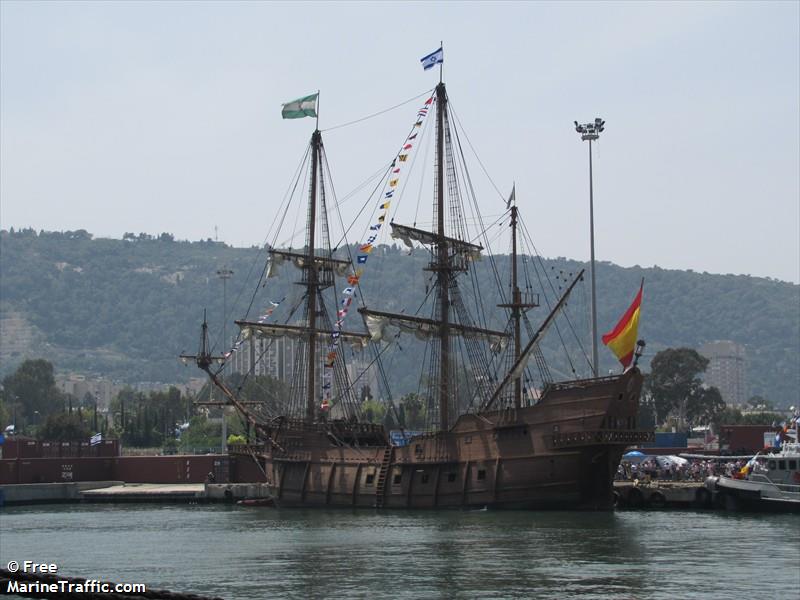
We spent the next day exploring some of those possibilities within walking distance. So many choices! We strolled the red brick walk around the harbor, stopping to watch the students practicing acrobatic skills at the trapeze school (I have to admit I never really thought about a school for trapeze artists before), and past the science museum. We decided to soak up a bit of history an visit the old Constellation. The first thing that impressed me was the scale of the ship, not dwarfed against the skyscrapers as our little boat is. I was noted the contrast between the spaciousness and elegance and privacy provided to the officers, and the rows and rows of hammocks that sketched life for the ordinary seamen. We saw demonstrations of how the sails were hoisted that made us appreciate the modern winches and smaller scale of our boat. We learned the reason for the odd setup with two wheels back-to-back for the helm station. In very rough weather, it took the strength of more than one man to hold a ship of this size on course. We watched (with hands over ears) as they fired the cannon. After the tour came pizza and beer for lunch, then the big decision - what to do next? Visit the aquarium? Do some shopping at Harbor Place? Tour the historic submarine, lightship, Coast Guard cutter?

I found myself wondering, what my life would be like if this marina were home? Would this be a cool place to live year round? Would it be better than Annapolis? Would the advantages of the big city, with everything within walking distance, outweigh the to-us-major disadvantage of having to motor for an hour or more down the river to get to the Bay to go sailing?

I realized that when visiting a new place, I often mentally try out living there. There's always a sense that life would be just a little bit better if I could just find the right location. And, since the right location could be just one town over or across the country, then it's my own fault if I don't do enough homework/research to find that spot to settle. Sometimes I think this restless sense comes from living on a boat. Unlike the land-based, for us moving doesn't involve a house to sell and new house to be found, in order to experience a new place. We simply up anchor or untie dock lines, and go. No packing, no unpacking. Having a home that can so easily be moved to a new place in that sense eliminates one more possible excuse for not seeking the optimum place to live happily ever after. Another possibility is that this desire to find the perfect place is in our national character. After all, the U.S. was the place that people came when they were seeking more opportunities to make a good life than they were able to find in Europe. On the other hand, maybe my search for the perfect place comes from my personal history, having relocated so many times "in service to Uncle Sam." Dan and I count between us 23 moves since college, climates from the snowy pines of Michigan to sun-baked Arizona, and we still haven't experienced all the variety this country has to offer.

In the end, though, the fantasies of an alternate location remained just that, as we slipped the docklines and turned the bow towards Annapolis and the cars we'd left in the parking lot. We might spend some future winter in Baltimore. Winter - when we don't sail and the long trip downriver to get to the Bay would be a moot point.

Last Cruise of the Autumn, Part I

The boss who hired me, mentioned in "Getting Started," has retired. My new boss takes his job seriously. At the same time, he totally "gets" that we're more interested in living a rounded life than in building a career. So I didn't think that I was taking too big a risk when I told him that my work was totally caught up, and I'd like to take advantage of what could be the last good weather of the season to take a week off and go sailing. Sure enough, he agreed.
Thus we found ourselves last Thursday loading the boat with provisions and, joined by good friend and sailing mentor David, taking off on a rollicking sail with the wind behind us, headed for Rock Hall. We smugly looked at traffic jams on the Bay Bridge as we breezed by under the bridge, and before we knew it, we were carefully following the buoys to avoid Swan Point Bar, the sand bar that shelters the harbor. We had two options for spending the night. We could drop anchor somewhere up Swan Creek, which would give us a quiet night surrounded by undeveloped land, marsh grasses and natural beauty. The price to be paid for this was that it was going to be a cold night if we couldn't plug into shore power to run our heater; and a long trip to get into town. The second option was to pay to stay at a marina within easy walking distance of town, with floating docks and plug-ins. Because of the predicted chilly temperatures and our curiousity about the town, we chose option "b."
Cruising has a much slower pace than other forms of being a tourist, and perhaps we are entertained by simpler things. We had a leisurely breakfast aboard, then strolled into town on a perfect October day. Town was quiet as most of the summer people were gone, what remained was at the same time more authentic, and a fantasy of what 1950s small town America was like. We had time to walk past the schoolyard where kids were playing soccer. We wandered into the drug store and sat at the soda fountain for malted milk shakes. We had time to learn the mystery of the low doorknobs on the old buildings in town. They were at the "right" height when the town was built, with macadam roads, but as time went by street level rose as the roads and sidewalks were built up and paved with concrete around the antique buildings.

low doorknobs

Fortified with our sugar buzz, we walked back to the marina and took the dinghy for a tour of the harbor. We saw boats of every kind, but the highlight of the tour was watching the watermen come in to unload their catch. We'd heard so much about the declining industry that we'd expected the watermen to be grizzled old salts, but most of these men were young and fit. Not so surprising in retrospect - as we watched, we realized just how physical a lifestyle theirs is.
Next day there was no wind for sailing, so we took the dinghy again for a tour of Swan Creek. We went out of the harbor and around the point and into the creek. At first the creek didn't look like much, but every time we thought we were approaching the end, we went around another bend and more intricate little twists and turns, grasses and coves, were revealed. Like the Energizer Bunny, it went on and on and on and on. At the end of two hours, our backs were tired and we were chilly and ready for lunch, and we hadn't seen all of it - just enough to put on our list to come back when the nights are warmer.

"catch of the day" being offloaded

David had especially wanted to visit Baltimore, so that was our next destination. (To be continued in next post)


sunset from our marina slip at Rock Hall Landing marina

Boat Show!

I love Boat Show time in Annapolis! My efriend Melissa Renee put it this way: "I love this show. So many new shiny boats begging for owners that will love them. Many gadgets to buy in all the booths. Pussers painkillers in tin mugs to drink. The best weather in the history of the show."

We went on to detail our purchases. We can be excited about "girl stuff" - she bought the same nesting cookware I bought last year, and I got new shades for our portholes (expensive, but hey, this is my home). But we are sailors after all, and got equally excited about boat hardware - a snatch block for her and a 6-part purchase for me.

In our crowd, no one asks "if" you're going to the boat show; they ask "which day(s)?" And the only topic of conversation in the evening is "Whadjaget?" Answers can range anywhere from "a couple of keychain floats, beer coozies, and a t-shirt" to big ticket items like solar panels, watermaker, or sails. New breathable rain gear (or "foulies" as we call them), and binoculars were other popular items.

Our boat had been used as a daysailer and floating condo before we bought it, and we're gradually getting the systems up to standard for extended cruising. Dan and I went to the show on Friday, and spent 6-1/2 hours walking through the vendors' tents. Some really clever ideas in boat gear to explore, others I can only describe as "solutions to problems you didn't know you had." For us, it was equal parts Christmas morning (without the cold), and shoppers with a mission as we had quite a list of products to research. We barely had time to look at new boats, but we certainly contributed to the local economy and now there are a fistful of receipts on our board. And in the aftermath of the show, I'm blogging and Dan's bending pipe cleaners into a model of the arch he wants the steel fabricator to build for our boat.

Of course, it's a boat show, after all, so we had to look at the boats themselves. We're not in the market for another boat, being totally happy with the one we live on, but that doesn't stop us from shopping for ideas. A lot like going to open houses and looking at model homes, I learn the most in my own price bracket or slightly above. We tend to look at boats that are more or less within our own size range - 30 to 36 feet. I can't wrap my mind around the luxuries aboard an 80-foot megayacht. The boats at the show, and their prices, were impressive for the most part. Some of the production boats were forced to make some changes, compromising on materials to keep the boat in a certain price range. (Melissa Renee confirmed this with one of the sales people at the show.) Sad in that sense, but I'm all for anything that will allow more people to get into sailing.

Most of all, I love the energy of the out-of-town crowds, the chance to meet/reconnect with friends from far away who've come in for the show. We had parties or friends over almost every night, and I had more than my fill of pizza, munchies, beer. One particularly fun gathering was a group from an internet sailing site - some of us have been emailing for years, and now have a face to put with a screen name. Mike and Christie won the 'distance award' for that group, having flown in from Colorado for the show. Now the powerboaters are in town, and its a totally different vibe. Hoping to get downtown for some good people-watching this afternoon!

Mike and Christie, taking a break from the show

Going Through the Bridge

Last weekend we were invited to an engagement party that friends Eric and Carleen were hosting for their son, Jeff, and soon-to-be-daughter-in-law Dorri. E and C have waterfront property and it was just too tempting to visit them by boat. We went for a day sail on Saturday and finished by dropping the hook off Truxton Park. We could just hear the announcer calling the Navy football game.

Rowing in to the party certainly made for a dramatic entrance and a great conversation starter. I even managed to keep my white pants clean, no mean feat when the dock was high enough that I had to climb out on my hands and knees. The guests were a fun mix of their neighbors, soon-to-be-inlaws, and boating friends like us. Many photos were taken of the happy couple with the sunset and the anchored boats in the background. Time passed way too quickly, and it was dark by the time we went back to the dock. The tide had risen and it was an easy step back into the dinghy for the row back home.


Next day, we had hoped to have our friends over for coffee in the cockpit, but they were just too overwhelmed with the party and their houseguests, so we decided to save that for another time. Instead, our day included a long chat with the folks anchored next to us. We took the dinghy and rowed up to the very end of the creek, far too shallow for our "big boat" to go. A man in a kayak smiled at us and said not a word as we watched a heron stalking the shallows, moving in that odd, articulated, mechanical way they have. It felt like another world, although less than an hour by boat from our somewhat congested home on Back Creek.


But it *was* time to go back to reality, so we packed up and headed out, trying to time our arrival with the every-half-hour bridge openings at the Spa Creek bridge. After all those times we waited in traffic behind the open bridge to get downtown, or Dan stressed behind the open bridge wondering if he would be late for work, now the traffic was stopped for *us*, as the bridge tender raised the bridge and through we went.

Of Jellyfish and Plastic Bags

If you google "beaches" and "jellyfish" together, you get articles from the Med to Australia about resorts inundated with these stinging blobs. Here in the Chesapeake, NOAA publishes predictions of the likelihood of encountering sea nettles, based on water temperature and salinity: http://155.206.18.162/seanettles/ People are reduced to swimming in Lycra skins or in small areas fenced off with fine mesh nets. And much of the population explosion is due to overfishing the jellyfish's natural predators, sea turtles and tuna and other similar large fish.

The poor sea turtles! If that wasn't bad enough, when they do try to get a jellyfish meal, they can be far too often tricked by an imposter in the form of a plastic bag. We tried a little experiment:
We tried to see if we could make a plastic bag look like a jellyfish by putting it on the end of a boat pole and swirling it around in the water.


Here's a jellyfish we photographed in Mill Creek last month.

And here's our best attempt with the plastic bag.
Okay, it wouldn't necessarily fool me, but then, I'm not swimming in the murky water, either. And if nothing else, it was the starting point for some great conversation on the dock!

I doubt this was what the City of Annapolis had in mind when the plastic bag ban was being discussed last year. I hate seeing plastic bags caught high in trees or pasted to fences, and we've seen them, and mylar party balloons fallen back to earth, 50 miles off shore in the emptiness of the Atlantic. On the other hand, I'm not particularly a fan of such things as bans, it seems to me awfully like trying to regulate common sense. We bring reusable cloth bags to the grocery store (when we remember). Whether we do paper or plastic is so much about how we can reuse the bags after they've carried our stuff home. Paper bags so rarely work in our boat life - they are heavier, bulkier, and besides - you can hardly use them to pack your wet swimsuit home from the pool!

Click on the monkey's fist to read others bloggers on this topic.

The Monkey's Fist

Wednesday, January 7, 2009

Over-promised and Under-delivered

When a business gets you all excited advertising a new product or service, but the reality doesn't live up to the hype, you can be justifiably annoyed. But when a hurricane turns out to be less than predicted, instead of annoyance, there's relief. That's what happened with Hanna. We were prepared for stronger winds and more rain than we received, and had no damage.

Hurricane Season

Images of flooding at our marina, 5 years ago during Hurricane Isabel. Wonder what will happen this time?


It's an impossibly clear, gorgeous morning, and if we didn't know better, it would be hard to believe that we're expecting an unwelcome guest tomorrow - Hurricane or Tropical Storm Hanna. We're nervously watching NOAA and the storm track and hoping we don't have a repeat of Isabel 5 years ago. Along the docks, everywhere you see people frowning and drawing counterclockwise circles in the air as they talk. They are describing the direction of wind moving around the eye of the approaching storm and trying to decide how it will affect them.

We don't have quite the same worries as our friends who are in houses. We're not as concerned about flooding, for example, we just float up on the rising floodwaters. Nor are power outages a big deal - we're designed to be self-sufficient and make our own power. You couldn't very well run an extension cord to the middle of the Atlantic. On the other hand, if the folks in houses do it wrong, they or their furniture might get wet. If we do it wrong, we might sink!

One of our Caribbean liveaboard friends told us it takes four days to have a hurricane: a day to prepare your boat, a day to have the storm, a day to rest and recover, then a day to put everything back together. And that's if there's no damage!

Almost as soon as it was light, before the breeze came up, we took off the jib (forward) sail and the bimini (the canvas shade awning over the cockpit), both to decrease the area we expose to the wind, and to keep them from damage. We lashed the dinghy down on deck, topped up the water tanks and moved our cars to high ground. We packed our abandon-ship bag with computers, cell phone, cash, meds, a couple of energy bars, and water. Still working on the dock lines - for Isabel, we tied a spiderweb of 17 dock lines holding us in our slip against wind from any possible direction. They were extra-long so we could ride up on the storm surge. We went around the boat about every hour through the night, easing lines and making sure they didn't chafe through. In between times, we tried to read. I gave that up when I realized that I'd been staring at the same page for 45 minutes, and I had no idea what it said.
Our reward was that we ended up with no damage. But we proved our Caribbean friend's words true when we spent the entire next day sleeping, chatting, but not having the energy to put things back together until the day after!

Two more pictures from Isabel: our dock-neighbor Bill's boat at normal water level, and then in high water after surviving the storm. Hoping we all do as well this time!


Here's part of the spiderweb of lines holding us in place, as the waters started to rise:

Housebarges?

I was all set to blog about jellyfish, sea turtles, and the plastic bag ban when this article about housebarges appeared in the Capital. Links to articles in the paper expire in 30 days unless you access them from a library, so I'll try to summarize: the article is about the growing popularity of houseboats and the controversy over whether they are allowed in Annapolis. Current zoning is very restrictive, the manufacturer wants to have "discussions" with the City. Similar discussions are popping up in a lot of places, like this NY Times article : "Houseboats Emerge as a Cheaper Form of Housing" The manufacturer's spin on them is here Note that they're billed as "cheap waterfront living" NOT as boats. If your 3-year-old nephew saw one, he wouldn't say "Oh, look at the pretty boat." Nor would your Aunt Betty from Kansas. And that's my point.

Those barges? They look to me like doublewides on pontoons. And despite the manufacturer's claim, they aren't boats - can you imagine being in even mild waves in one of them? It is generally accepted that they don't move often, if at all. There are waiting lists for boat slips at many marinas here for recreational boats - do we really want to further decrease the opportunities?

I'll admit to my obvious prejudice - I live aboard because I love boating. The waterfront view and the community are tremendous plusses, but most of all I live this way simply because I like to sail. Most of all I think what offends me is this: Annapolis has tried hard to preserve its maritime heritage and feel. Enterprise zones to encourage marine industries to stay on the waterfront instead of ripping out marinas to replace them with endless condos. These housebarges impress me as a disrespectful way of trying to do an end run around that zoning.

Tourist in My Own Home Town

The weekend weather forecast was absolutely astonishingly perfect, and we couldn't *not* go out and play. We motored around after work on Thursday to take a mooring for the weekend in the thick of the action in Annapolis Harbor. What a treat, to travel like a turtle, taking our home with us, and not have to pack! Mostly we just sat in the cockpit and watched the world go by - the water taxis and power boats making their tours of Ego Alley, the silent glides of the classic WoodWinds, the kids shrieking with delight as they played pirate on the Sea Gypsy.

My very favorite thing to do as a tourist is to walk and people-watch, and the weekend didn't dissappoint. It was the first weekend that the plebes from the class of 2012 had liberty, so downtown was full of mids in dress whites. Each one seemed accompanied by at least 4 or 5 others - parents, a kid brother or sister, a girlfriend or boyfriend. Lots of people on City Dock looking at the boats in the harbor - hey, that's us! And of course my very favorite Annapolis anachronism - tour guides in Colonial dress, on Segways. We did all the tourist things - checked out all the shops, bought the obligatory ice cream, went out to dinner (grilled salmon in citrus butter, yum!).

Somehow this visit had a different 'vibe' than I'm used to when we go to events downtown and I wondered what it was. Maybe just that our boat/home was right there? Then I realized ... parking! Anything we do in town is twice as enjoyable when there's no roaming the streets looking for a spot, or paying the meter. We simply took the dinghy, tied it at the restaurant dock or a public dock downtown, and started walking. There's a moral in there somewhere, but it'll have to wait for another time <*grin*>.


Parking Dilemma Solved at City Dock