Friday, November 14, 2025

Passage: Isle of Man to Whitehaven

 Time to move on ... and head back to the mainland. A trip that took 4-1/2 hours by high-speed ferry would take us a full 24-hour day, including waiting for high tide. And just for fun we'd have reporters from the local BBC news affiliate making the trip with us. It's simultaneously extremely rewarding to see our ship through their eyes, and know we were reaching a wider audience; and frustrating to have our normal shipboard routines complicated by the presence of the cameras. But it definitely gave us the opportunity for some cool images. 


We had every single kind of weather on the trip. It started off cool but clear.
The rail on the quarterdeck is the perfect height for leaning on, gazing out to sea.

"We have wings!!" I exulted in an Instagram post.

Diego, one of our engineers, took the reporter out in the dinghy to get some footage of the ship under sail. First off, it was rough, because in order to sail, by definition, there has to be some wind. And wind makes waves. And they were in the middle of the Irish Sea. In a very small rubber boat. Diego is our designated dinghy pilot because he's very good at it, but even so, they all came back aboard soaking wet from the waist down. "I wish I wasn't the best dinghy driver, so I didn't always have to do this," he grumbled good-naturedly later.

Off they go!

Did this lovely publicity photo make the cold wet dinghy ride worth it? 

Speaking of our normal shipboard routines ... the ship's bell. Originally in the 17th century era that the ship represents, it was used for marking time, shipboard communications, announcing our entry into port, or communicating between vessels of the same fleet.  Even today, on our earlier tours of duty on this ship (10 years ago) three rings of the bell meant “dinnertime!” Ah, technology. Somewhere along the way the bell cracked and the lovely ship wide gong have been replaced by … the “ping” of a text message in our group chat announcing mealtime. The food’s just as good but the atmospheric magic is gone.


A few hours later, I was a tad disappointed to have lost our blue skies, but still delighted to be under sail. 


A bit later it started to rain:
Helm selfies are a little less gloating when its cold and rainy. Sea shanties? I'm living them! Bad weather, they say, makes good sailors. 

The view forward. Note the crew on the foredeck in bright orange rain jackets beginning the process of taking in the sails.

I don't have any pictures of our arrival at Whitehaven. Tides dictated that we arrive in the dark; and in any case I was probably busy doing actual work anyway. But I remember feeling really positive about our visit to the city, at least in part because of the advance publicity. "Hello there Whitehaven! I think we're going to have some fun together."

Sunday, November 9, 2025

Ilse of Man -- On Island Time (part 2 of 2)


(random internet image of a rainy day -- we had plenty of those on Isle of Man)

(random internet image of Caribbean island -- what does this have to do with Isle of Man?)


We knew about "island time," the well known man~ana attitude, from our time in the Bahamas and Caribbean. Patience, flexibility and a relaxed attitude is mandatory, while the calendar and clock are just suggestions. The mail boat is a great example -- it has a schedule, in theory, but in reality, it comes when it comes. When we were on Staniel Cay that (theoretically) was every Thursday. Only. No Amazon instant delivery and few other opportunities for connection to the outside world. If the weather was rough or things took longer at a port further upstream in the route, it might be Friday. Or even Saturday, or not at all that week. If what you were expecting wasn't on the boat that Thursday, you'd simply shrug and make do until next Thursday. We watched everything from clothing, medicine, books, tools, food, and once, someone's new pickup truck, get unloaded on Thursdays. That included groceries as well -- they only came on the mail boat so fresh groceries were only available on Thursdays. You had to come to the store that day or maaaybe early next morning if you wanted anything except dusty canned or dry goods. People just had to learn to be flexible about it all. Cabbage, onions, potatoes were prioritized for their sturdiness compared to broccoli and spinach. We overheard one cruiser asking a shopkeeper when the fresh milk arrived, only to be told that the only milk was dried or box because fresh would spoil on the multi-day boat passage over. On Bonaire the market was Tuesdays, with fresh fruits whose names I couldn't pronounce offloaded directly from the boat from Venezuela.

There wasn't any obvious reason for me to connect Isle of Man with our time in the Caribbean. Isle of Man, of course, couldn't have been physically more different than the Caribbean. Isle of Man was rocky, blustery, and gray, not sunny and green. The water was chilly and dark, not the crystalline turquoise we sailed Cinderella through. In fact, summer at Isle of Man was chillier than winter in the Caribbean. That physical difference fooled me into thinking the attitudes would be different also. But instead, I was surprised and pleased to have a sense of recognition when I found this same island time vibe at Isle of Man. I don't really know why I was surprised, after all -- an island is an island, and patience is mandatory, waiting for the mail boat or ferry that connects you to the outside world. Isolation, resilience, self-sufficiency -- those island characteristics seem to be universal. Isle of Man folks ("Manx," as I was told they call themselves) wait for the ferry that takes 4-1/2 hours (weather permitting!) to arrive from the mainland. What they called "island time" or "manana" in the Caribbean became "Traa dy Liooar," in Manx Gaelic, which translates to "time enough" on Isle of Man, and visitors to the ship were delighted when I told them I had learned this phrase already, that they said was basically the unofficial motto of the island.

(For the record, another dramatic difference is that the isolation of Manx meant they'd been self-governing for 900 years (the celebration we witnessed of the parliament I mentioned in the previous post, 900-odd continuous years) versus most islands in the Caribbean being taken over by European powers who changed every so often. The harsh weather and isolation had its advantages! We weren't on island long enough to really dig in to how this affected attitudes, though. Ah, sigh. Another idea to leave on the list for future visits.)


Tuesday, November 4, 2025

Isle of Man (Part 1 of 2)


After a mostly pleasant couple of days at sea for our first passage of the year, we docked at Isle of Man, an island of its own in the middle of the northern Irish Sea. The isolation and challenging weather let it develop its own unique and slightly quirky culture. It's known for a rich heritage that includes Gaelic, English and Norse influences, unique wildlife, and its own language, Manx Gaelic. The isolation demanded self-reliance and resiliance, and also left them protected from invasion; it is now home to the world's oldest continuous parliament, established over 1,000 years ago, which has granted women the right to vote in national elections since 1881. One of the locals self-deprecatingly described themselves to me as 85,000 alcoholics clinging to a rock. There was little to do there in the wintertime, he said. I had trouble visualizing winter there, actually -- we were there in early July and it was blustery and cool the entire time!

From local photographer Dave Lewin, El Galeon arriving at Isle of Man

“Wherever you throw me, there I will stand.” Here’s the symbol of the Isle of Man. It speaks to their independence and resilience — a valuable characteristic for this windswept place, 4-1/2 hours by ferry to mainland England (when storms don't cancel the trip.) While we were there, there was a national holiday celebrating the long duration of their parliament, and the day they (read? implement?) new laws that were passed in the previous session.

There were again huge tides, though, 4-5 meters. We were docked at a large commercial pier of the kind used for the ferries to the mainland. Far too tall for us; at low tide it was impossible to get aboard, or to deploy our ramp at all. Our opening hours were different every day based on the tide cycle. Most days we had about a 5 hour break at mid day during low tide. Fortunately it stayed light very late this far north, so we were able to make up the time during the morning and evening. And the visitors were used to having to accommodate tides and weather, because it's such a part of their everyday lives on this island, so they were quite flexible and patient with it all. 

Docked at Isle of Man. Today’s our day off but we’re constrained by the tide! Good day to catch up on some other tasks, until high tide when we can get off the ship to explore. (Here’s how our more athletic shipmates have gotten ashore. In past years we’ve been hoisted in a climbing harness but this time we’re just getting other chores done while waiting for the tides.)

Trying to figure out how to deploy the ramp. This won't work!

The dock had a series of these stone steps. Depending on the tide level, one of the steps would be at the right height to come aboard. But the lower steps, being usually underwater, were covered with moss and slime and incredibly slippery. Might've been useful in older days, or for a different style vessel, but not for us.

How the stone stairs are supposed to work. This is the stern of the ferry to the mainland, docked in front of us.


Can't use the ramp this way either!

Ramp needed adjustment every half hour as the tide rose or fell. It takes several people to raise it, so at night we'd just put it way up so the night watch only has to lower it, not fight gravity.

Looking toward the capital city, Douglas, at sunset. (Around 22:00, if I remember correctly.)

Same view at night (zoomed out unlike the photo above)

"Tower of Refuge" at low tide ... 

... and at high tide.

“Mizzle” = mist + drizzle. Today’s high temperature = 16C (about 60F) and it’s been like this all week except when it’s raining. 

Calmer, shimmery sunset view.

 
And moonrise, looking the other direction at about the same time. It’s July, but I haven’t been out of my wool long underwear in days. Today 13 degrees C. Wind NW gusting to 40. I was at the shore side of the gangway to enter and while the wind didn’t knock me over it did make me stumble a couple of times. 

People waiting in line to come aboard. I'm used to people coming aboard dressed as pirates, but this pirate brought a parrot!

When we were open, people were both interesting, and interested. Here, visitors exploring the cannon deck. 

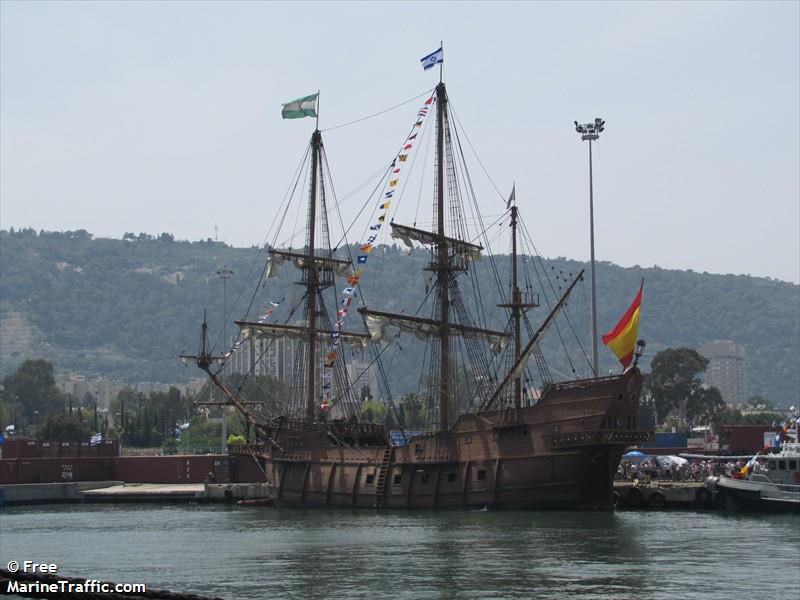
In the harbour, ships from three different eras in one photo.

On our day off, we rode the steam train to the tip of the island. The ride was only about an hour, but so many changes in landscape! Also, coal-fired, and little gritty black particles blew in the window of our cabin and onto our clothing (and hopefully not into our lungs, but a reminder of how it was in the past.) We had intended a hike, but heavy rain was forecast to begin before we could complete the hike, so we went to a bookstore instead, a great lunch of fish and chips, and then the train back to Douglas.

Cute train station

View of the coastline from the train window

We went from coast to forest ...

... to field.

We shared the cabin with two Germans on holiday, who, like us, had never been here before.

Arrival in Port Erin, at the tip of the island.

The hike that didn't happen, to the lighthouse on the promontory.

Would you rather continue walking down the rainy street, or stop in for a beer?


Sunday, October 12, 2025

Passage: Penzance to Isle of Man

El Galeon is a lot of work, and a lot of fun, in the same package. Here's some pix from our passage: a sunset at sea and a dolphin escort. Surprisingly chilly, which was delightful after days in the 90sF/mid-30sC before we left. Long passages are in some ways easier than short ones, in that you can really get into the rhythm of whatever watch you're on. All the passages on this summer tour were only a couple of days at most, though.


"What visitors think I do"

"What I really do." Yes, in real life I'm the helmsman on a pirate ship. Pretty unique item to have on a resume!

"What I really really do." There's no comfy indoor nav station. Just like in the old days, the helmsman and most of the watch are out on the quarterdeck whatever the weather.

Penzance, England -- Tides! (Part 2 of 2)

 Penzance -- well, much of England, actually --  has a big tidal range; about 7 meters/20 feet. Our ship is docked in a small enclosed basin with a sill across the entry; at low tide the sill keeps a minimum pool of water in (otherwise it would dry out completely.) It keeps the water level comfortably nearly constant and extremely calm. But the downside is boats in this inner basin can only come or go in the hour or two around high tide.

Here's a view of the gate open at high tide.

The gate is still closed here, and this vessel is waiting to exit.

The outer basin, which is allowed to dry out at low tide. Note that to accommodate these conditions the English boats have two keels so they can remain flat as the water recedes. Cinderella, having only one, traditional keel, would potentially fall over on her side.

Here's a zoomed-in version so you can better see the twin keels 

In olden times, they used the tides to their advantage. Here's a tower on an island called St Michael's Mount. As we were arriving (at high tide, obvs) the tower is completely isolated. At low tide, there's a stone walkway that visitors can us to explore the island and the tower. One one of the locals told me it was associated with a female pirate in its history but I haven’t found that on google ... yet. (not my photos)